
Introduction
Chemotherapy is one of the most powerful weapons against cancer — but it comes with a price. Nausea, loss of appetite, mouth sores, fatigue, and taste changes can make eating feel like the last thing you want to do. Yet nutrition during chemotherapy is not optional. It is a critical part of your treatment and recovery.
For Indian patients, the challenge is even more nuanced. Our food culture is deeply spice-forward, heavily dependent on lentils, rice, and wheat, and eating habits are often tied to family traditions and emotional comfort. Navigating chemotherapy nutrition while honouring Indian food preferences requires practical, culturally relevant guidance.
This blog gives you exactly that — a straightforward, evidence-based Indian diet guide designed to help you eat well, manage side effects, and maintain the strength your body needs to fight cancer.
Why Nutrition Matters So Much During Chemotherapy
Chemotherapy drugs are designed to destroy rapidly dividing cancer cells — but they also affect healthy cells, including those lining the digestive tract. This is why side effects like nausea, vomiting, diarrhoea, and mouth sores are so common.
Good nutrition during treatment helps to:
- Maintain body weight and muscle mass — weight loss weakens the immune system and reduces treatment tolerance
- Support immune function — a well-nourished body fights infections more effectively
- Reduce treatment side effects — certain foods ease nausea, mouth pain, and fatigue
- Improve energy levels — adequate calories and protein fuel your body through demanding treatment cycles
- Aid tissue repair — chemotherapy damages healthy cells; nutrients help rebuild them
Patients who maintain good nutritional status during chemotherapy consistently show better treatment outcomes, fewer dose reductions, and faster recovery.
Key Nutritional Principles for Chemotherapy Patients
Before diving into specific foods, understand the core principles that should guide every meal:
1. Prioritise Protein
Protein is the most critical nutrient during chemotherapy. It repairs damaged tissue, maintains muscle mass, and supports immune cell production. Aim for 1.2–1.5 grams of protein per kilogram of body weight daily.
2. Eat Small, Frequent Meals
Large meals can worsen nausea. Instead, eat 5–6 small meals spread throughout the day. Never skip meals, even if your appetite is low — a few bites every 2–3 hours keep your energy stable.
3. Stay Hydrated
Chemotherapy drugs are processed and eliminated through the kidneys. Adequate hydration flushes toxins, prevents constipation, and reduces the risk of kidney damage. Aim for 8–10 glasses of fluids daily — water, coconut water, buttermilk, and clear soups are all excellent choices.
4. Choose Easily Digestible Foods
The digestive tract is often compromised during treatment. Soft, well-cooked, low-fibre foods are easier on the gut during flare periods.
5. Avoid Raw and Undercooked Foods
Chemotherapy suppresses the immune system, making patients highly vulnerable to foodborne infections. Raw salads, unpasteurised dairy, raw sprouts, and undercooked meat or eggs should be avoided entirely during treatment.
Best Indian Foods to Eat During Chemotherapy
Here is a practical, meal-by-meal guide built around familiar Indian ingredients:
Protein-Rich Indian Options
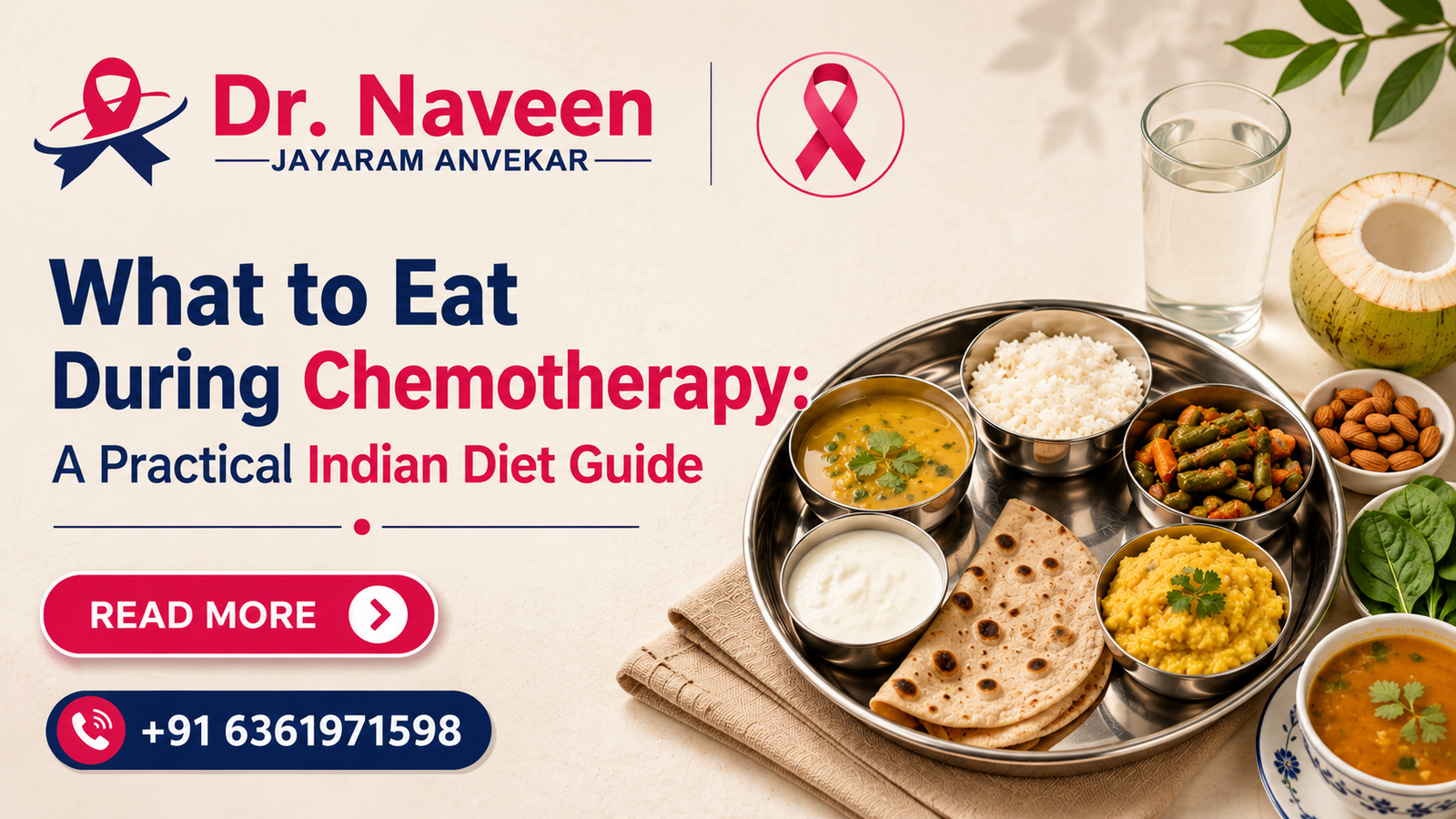
- Dal (lentils and legumes) — moong dal is the gentlest on the stomach; masoor and toor dal are also excellent sources of plant protein
- Paneer — soft, easily digestible, and protein-dense; best prepared steamed or in mild gravies
- Curd (dahi) — probiotic-rich, soothing for the gut, and a good protein source; choose fresh, homemade curd over store-bought varieties
- Eggs — fully cooked scrambled eggs or boiled eggs are among the most complete protein sources available
- Chicken or fish — well-cooked, mildly spiced chicken curry or steamed fish provides high-quality animal protein
- Rajma and chana — when well-cooked and easy to digest, legumes add both protein and iron
Carbohydrates for Energy
- Rice (plain or khichdi) — easily digestible, gentle on the stomach; moong dal khichdi is one of the best chemotherapy-friendly Indian meals
- Roti (chapati) — whole wheat rotis provide sustained energy; avoid heavily oiled parathas during nausea phases
- Poha and upma — light, easily prepared, and well-tolerated even on difficult days
- Sabudana (tapioca) — easy on the stomach and a good energy source during periods of low appetite
- Oats porridge — with milk or water, this provides soluble fibre and sustained energy
Vitamins and Minerals
- Banana — easy to eat, high in potassium, and helps with nausea
- Papaya — gentle on digestion and rich in vitamin C and digestive enzymes
- Boiled sweet potato — nutrient-dense, easy to digest, and mildly sweet
- Spinach and methi (fenugreek) — rich in iron and folate; best consumed well-cooked to reduce infection risk
- Amla (Indian gooseberry) — exceptionally high in vitamin C; strengthens immunity
Hydrating Options
- Coconut water — replenishes electrolytes lost through vomiting or diarrhoea
- Buttermilk (chaas) — cooling, probiotic-rich, and excellent for digestive health
- Ginger tea — well-evidenced for reducing chemotherapy-induced nausea; add honey for additional calories
- Clear vegetable soups — nourishing, hydrating, and easy on a sensitive stomach
- Lassi (unsweetened) — probiotic and protein-rich; avoid on days of mouth sores
Foods to Avoid During Chemotherapy
Just as important as what you eat is what you avoid:
- Raw salads and uncooked vegetables — infection risk in immunocompromised patients
- Street food and outside food — hygiene cannot be guaranteed
- Spicy food — can worsen mouth sores, nausea, and digestive irritation
- Fried and oily foods — difficult to digest and can aggravate nausea
- Processed and packaged foods — high in sodium, preservatives, and low in nutrition
- Alcohol — interferes with chemotherapy drugs and severely stresses the liver
- Unpasteurised dairy — high risk of bacterial contamination
- Raw eggs — risk of Salmonella infection
- Excess sugar — may promote inflammation and has no nutritional value
Managing Common Chemotherapy Side Effects Through Diet
Nausea and Vomiting
- Eat cold or room-temperature foods — hot foods have stronger smells that can trigger nausea
- Try dry, bland foods: plain rice, plain roti, crackers, or toast
- Sip ginger tea or chew on a small piece of fresh ginger
- Avoid lying down immediately after eating
Mouth Sores (Mucositis)
- Choose soft, moist foods: khichdi, soft dal, curd rice, mashed banana, or porridge
- Avoid acidic foods (tomatoes, citrus) and very salty or spicy preparations
- Rinse the mouth with lukewarm salt water before and after eating
- Drink fluids through a straw to bypass sore areas
Loss of Appetite
- Eat by the clock, not by hunger — set reminders to eat every 2–3 hours
- Enhance taste with mild spices like jeera (cumin), ajwain, and turmeric
- Make food visually appealing — small, colourful portions encourage eating
- Add calorie-dense ingredients: ghee, peanut butter, or full-fat curd
Fatigue
- Focus on energy-dense foods: nuts, seeds, avocado, full-fat dairy, and ghee
- Keep ready-to-eat healthy snacks accessible: roasted chana, peanut chikki, or banana
- Eat before energy levels dip — don't wait until you're exhausted to prepare food
Diarrhoea
- Switch to a low-fibre diet temporarily: white rice, plain curd, banana, boiled potato
- Avoid high-fibre vegetables, raw fruit, and whole grains during diarrhoea episodes
- Increase coconut water and ORS intake to replace lost electrolytes
The Role of a Cancer Dietitian
Every patient responds to chemotherapy differently, and nutritional needs vary based on the type of cancer, the chemotherapy regimen, and individual health factors. A registered oncology dietitian — working alongside the best cancer specialist in Mysore — can create a personalised meal plan that addresses your specific treatment protocol, side effects, and food preferences.
Patients undergoing the best chemotherapy treatment in Mysore benefit significantly from integrated oncology care that includes dietary counselling as a core part of the treatment plan — not an afterthought.
Frequently Asked Questions (FAQs)
Q1. Can I eat dal and rice during chemotherapy?
Yes — moong dal khichdi is one of the most recommended meals; it's protein-rich, easy to digest, and gentle on the stomach.
Q2. Is it safe to eat curd (dahi) during chemotherapy?
Yes — fresh homemade curd is excellent; it supports gut health and provides protein, but avoid store-bought unpasteurised varieties.
Q3. What helps most with chemotherapy-induced nausea?
Ginger tea, cold bland foods, small, frequent meals, and avoiding strong food smells are the most effective dietary strategies.
Q4. Should I take protein supplements during chemotherapy?
Only if advised by your oncologist or dietitian — whole food protein sources are preferred, but supplements may help when appetite is severely reduced.
Q5. Where can I get personalised dietary guidance during cancer treatment?
Consult the best cancer specialist in Mysore or an oncology dietitian attached to a cancer centre for a customised chemotherapy nutrition plan.
Conclusion
Eating well during chemotherapy is one of the most powerful things you can do for your own recovery. It won't always be easy — there will be difficult days when even the thought of food feels overwhelming. But with the right foods, the right strategies, and the right support, you can nourish your body through treatment and give yourself the best possible chance of a strong recovery.
Indian food, at its heart, is healing food. Dal, khichdi, curd, ginger, turmeric, coconut water — these are not just ingredients. They are medicine. Used wisely and guided by expert medical advice, they can be your greatest allies during cancer treatment.
If you or a loved one is undergoing cancer treatment, connect today with the best chemotherapy treatment in Mysore team for comprehensive, compassionate, and personalised oncology care — including nutritional support every step of the way.


.png)
.png)